Cultural
Culture: a key factor for an open and inclusive society

© Bohumil Kostohryz
For Œuvre Nationale, culture is a fundamental pillar of social life. It fosters dialogue between generations and communities, strengthens social cohesion and contributes to a fairer society.
Œuvre is committed to promoting equal access to culture and encouraging everyone to take part in cultural activities. The projects it supports follow an open, participatory and inclusive approach, with the ambition of creating a positive and lasting social impact. Through culture, they create welcoming, accessible spaces rooted in contemporary realities.
In the face of today’s challenges, culture also plays a key role in innovation: it develops new forms of expression, transmission and engagement with audiences. Particular attention is paid to cultural mediation, which lies at the heart of the approach and current social dynamics.
Through its one-off grants, Œuvre Nationale recognises culture as a powerful vehicle for inclusion, education, networking and sustainability.
Œuvre Nationale’s own initiatives
In addition to its one-off grants, Œuvre has developed several dedicated initiatives:
- The “stART-up” fund supports artists, creatives and cultural professionals under the age of 36 who have a link with Luxembourg. It aims to encourage the development of promising projects that support their professional careers.
- The “Culture and Creation Award” fund supports non-profit organisations (ASBLs) that organise awards to discover and promote talented artists and creatives, thereby contributing to cultural diversity and enrichment.
- The interdisciplinary training programme for artists and creatives offers a certified course developed in collaboration with the House of Training and the Ministry of Culture. It strengthens skills in law, communication, marketing and digital tools, in line with the current realities of the artistic sector.
- The training programme in cultural mediation offers a certified pathway focused on encounters between artists, works and audiences. It emphasises participation, inclusion and adapting methods of transmission to different audiences.
New criteria for one-off grants – Culture
From 2026 onwards, one-off grants in the field of culture will be exclusively aimed at projects that consider culture as a social driver and that integrate at least one of the following four criteria in their design and implementation:
Inclusion aims to remove barriers to access to culture so that everyone can take part, without distinction. Supported projects must consider realities related to disability, language, age or geographical distance, ensuring that no one is excluded from cultural experience. Equal opportunities, diversity of audiences and active participation are central to this approach, both for audiences and cultural practitioners.
Œuvre also encourages initiatives that reach out to people who are unfamiliar, or only marginally familiar, with existing cultural offerings. This may involve diversifying artistic disciplines, exploring innovative formats, using local or unusual venues, or working in partnerships with associations active in the field.
Inclusion also means sparking curiosity and interest among new audiences for culture and heritage, whether tangible or intangible. Œuvre therefore supports creative and original approaches tailored to different contexts and generations, helping to make culture a shared common good.
Education through culture encompasses artistic training, cultural mediation and the transmission of knowledge. Œuvre Nationale values projects that enable everyone, from an early age and throughout life, to discover a wide range of cultural forms and to develop an active artistic practice.
Special attention is given to cultural mediation, which facilitates encounters between works, artists and audiences. Participatory workshops, interactive visits or playful educational materials make culture more accessible, engaging and understandable, while considering the diversity of audiences.
The transmission of knowledge, stories and traditions is also a key focus. Projects that encourage dialogue between generations, disciplines and communities create spaces for exchange, co-creation and mutual learning. These interactions strengthen mutual understanding and enrich everyone’s cultural experience.
Culture thrives when it is supported by a dynamic and collaborative ecosystem. Œuvre Nationale encourages networking among cultural stakeholders to foster partnerships, exchanges and professional development within the sector.
This includes supporting artists and project leaders through continuing education, mentoring and tailored support programmes. Sharing experiences and skills helps to enhance the quality, visibility and sustainability of cultural initiatives, for example through workshops, residencies or coaching.
Networking also involves pooling resources, expertise and good practices. By supporting innovative collaborative frameworks, Œuvre promotes a culture of cooperation that stimulates innovation and avoids silo-based working.
Finally, this dynamic includes a territorial dimension: supporting projects in regions or areas with limited cultural provision helps to strengthen equitable access to culture and to highlight local synergies across the country.
Sustainability is a central theme of the cultural projects supported by Œuvre Nationale. On the one hand, it involves attention to environmental issues, encouraging environmentally responsible approaches and practices in the design and implementation of programmes and projects.
On the other hand, culture is a powerful tool for raising awareness of contemporary social and environmental challenges. Artistic and cultural projects that address themes such as climate change, biodiversity, solidarity or active citizenship in a participatory, collaborative or educational way help to strengthen collective awareness.
Finally, sustainability also has a social and economic dimension. Œuvre Nationale values initiatives whose positive effects endure over time: the creation of lasting connections, the strengthening of local skills or a cultural legacy for the community. A successful cultural project can leave a lasting imprint and continue to inspire, through other forms or formats, well beyond its initial implementation.
Discover more
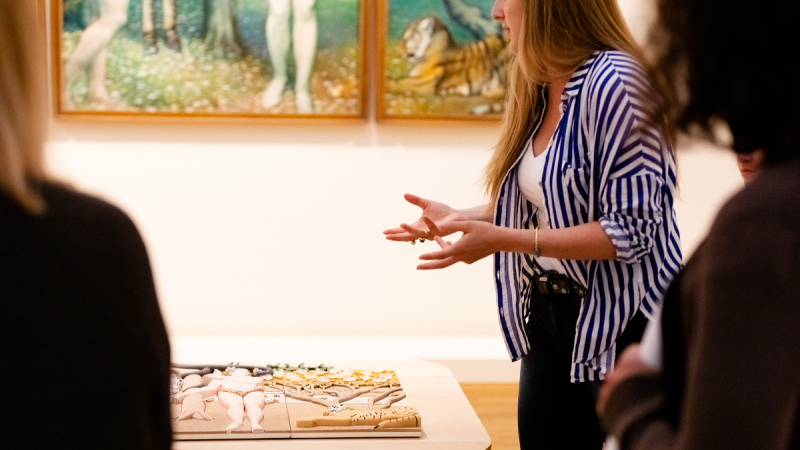
Training courses
In an ever-changing world, artists and creatives must navigate a range of skills to establish themselves as professionals. To support them, Œuvre works with the House of Training and the Ministry of Culture to offer several interdisciplinary training courses and qualifications to address the challenges that artists face today.
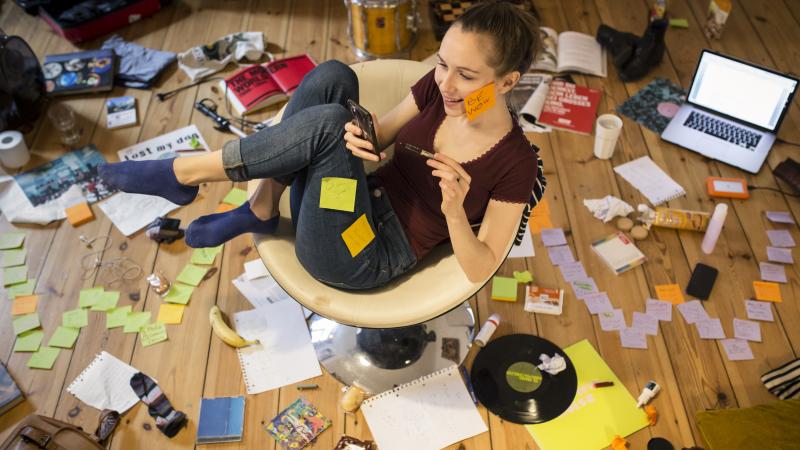
stART-up fund
The stART-up fund is for artists, creatives and cultural players below the age of 36 who have a connection to Luxembourg.
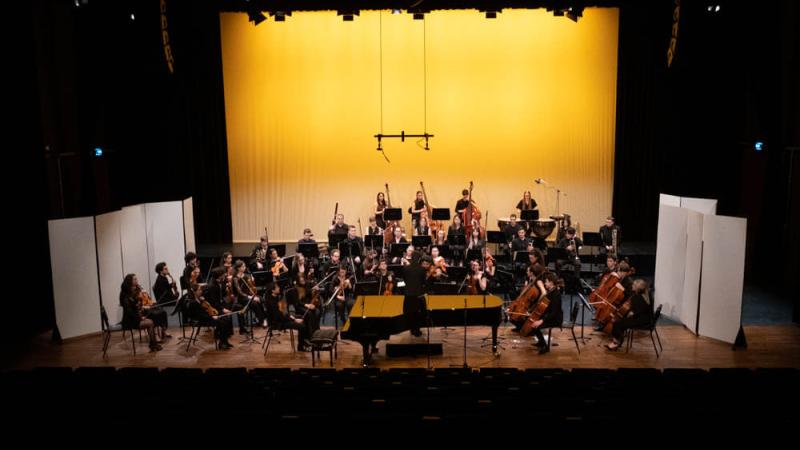
Culture and Creation Award fund
The " Culture and Creation Award " fund is for non-profit associations that wish to create awards to foster the discovery and promotion of talented artists and creatives.
Culture Committee
Culture Advisory Committee
Culture jury
Calls for projects
Œuvre regularly issues calls for projects that focus on a specific theme and that are time limited and capped by a previously established budget.